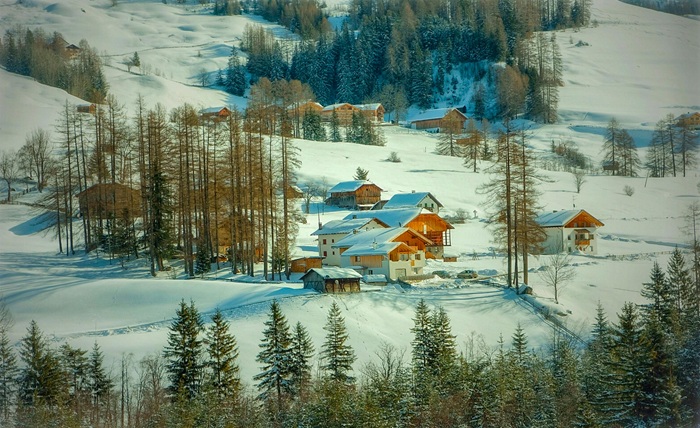
For decades, summer travel was built around heat. Beaches, crowded resorts, long afternoons in the sun and warm evenings formed the standard idea of a vacation. That model is changing. More travelers are now choosing cooler places: mountain towns, forest regions, lakes, high-altitude villages and northern coastlines. This shift has produced a new travel pattern often called a coolcation.
The reason is not only comfort. Heat affects sleep, health, mobility, spending and the type of activities people can do. A traveler may still enjoy summer entertainment, food, sport or digital leisure, and may even click here during downtime, but the main travel decision is now more practical: where can a person spend time outside without planning every hour around extreme temperatures?
What a Coolcation Means
A coolcation is a vacation planned around lower temperatures rather than maximum sun. It does not always mean going somewhere cold. It means choosing a destination where the climate allows walking, hiking, cycling, sightseeing, sleeping and eating without constant heat management.
The most common coolcation destinations include mountain areas, forests, northern cities, coastal regions with wind, lakeside towns and rural places with shade and altitude. The attraction is not only the temperature. These places often support slower travel, outdoor activity and a different rhythm from resort tourism.
Instead of spending midday indoors to avoid heat, travelers can use more of the day. They can walk in the morning, visit a market at noon, hike in the afternoon and eat outside in the evening. The vacation becomes less dependent on air conditioning and more connected to the environment.
Heat Is Changing Travel Behavior
Heat has become a planning factor. Many tourists no longer treat high temperatures as a minor inconvenience. When a destination reaches levels that make walking difficult, the travel experience changes. Sightseeing becomes shorter. Families with children need more breaks. Older travelers face higher health risk. Outdoor workers, guides and restaurant staff also feel the pressure, which can affect service and availability.
Urban heat can be more difficult than coastal heat because buildings, roads and traffic hold warmth. A city break during a heatwave can turn into a sequence of indoor stops. Museums, malls and hotel rooms replace streets and parks. For some travelers, this defeats the purpose of visiting.
Coolcation destinations solve part of this problem. Mountains and forests often provide shade, air movement and lower night temperatures. Northern regions may offer longer daylight without the same level of heat. This makes them attractive to people who want active days rather than passive cooling.
Health and Sleep Are Central Drivers
Travelers are becoming more aware that heat affects the body. High temperatures can increase fatigue, dehydration, headaches, poor sleep and cardiovascular strain. Even healthy travelers may find that constant heat reduces appetite, patience and energy.
Sleep is a major factor. A hotel in a hot city may offer air conditioning, but not every rental, guesthouse or rural property does. Even with cooling systems, some people sleep poorly in hot climates. Cooler nights make travel feel more restorative.
This matters because many tourists now see vacation as recovery from work stress. If the destination creates physical stress, the trip may not feel worth it. Coolcation planning treats rest as a health decision, not only a change of scenery.
Activity-Based Travel Favors Cooler Places
The rise of hiking, cycling, trail running, kayaking, climbing, birdwatching and wellness retreats supports the coolcation trend. These activities work better in moderate conditions. A mountain path, forest trail or lake route gives tourists something to do beyond lying by a pool.
This is especially relevant for travelers who want their vacation to include movement. Heat limits duration and intensity. Cooler weather allows longer routes and more flexible timing. People can start later, stop more often and still complete the activity without excessive strain.
Cooler destinations also attract families. Children can play outside longer, and parents do not need to organize every plan around shade, sunscreen and hydration. For multi-generational trips, moderate temperatures make it easier to choose activities that suit different ages.
Remote Work Has Expanded the Map
Remote and hybrid work have changed how some people use summer travel. A person who can work from another location may not need a classic one-week resort stay. They may choose a cooler region for two or three weeks and work part of the time.
For remote workers, temperature matters because productivity depends on sleep, concentration and comfort. A cooler mountain town or northern coastal area can be more practical than a hot city apartment. The trip becomes a blend of work, rest and local exploration.
This also benefits destinations that were once seen as shoulder-season or niche locations. Smaller towns with good internet, nature access and reasonable housing can attract visitors who want a summer base rather than a tourist package.
Cost and Crowding Also Matter
Popular hot destinations often become crowded during peak summer. Prices rise, beaches fill, restaurants require bookings and transport becomes stressful. Coolcation destinations can offer an alternative, though this may change as demand grows.
Travelers are not always looking for remote wilderness. Many want manageable crowds and better value. A northern city, forest region or mountain village can offer cultural events, local food and outdoor activities without the same pressure as major summer resorts.
However, rising interest may create new challenges. Small communities may face housing pressure, trail erosion, traffic and seasonal price increases. Sustainable coolcation planning should consider local capacity, not only traveler comfort.
How to Plan a Coolcation Well
A coolcation should be planned around microclimate, not only country or region. Altitude, shade, wind, water access and night temperature all matter. A mountain valley may be cooler than a nearby city, but some valleys trap heat. A northern city may still have warm periods. Forest areas may be pleasant during the day but humid after rain.
Travelers should check average temperatures, nighttime lows, transport options and activity access. They should also plan for variable weather. Cooler regions can bring rain, wind and sudden temperature changes. Packing layers, waterproof shoes and flexible plans is better than assuming every day will be mild.
Accommodation should be chosen for location as much as style. Access to trails, public transport, shade, water and food can reduce daily friction. A coolcation works best when the environment supports easy movement.
A New Definition of Summer Travel
The coolcation trend shows that tourists are redefining what summer pleasure means. Heat is no longer the automatic goal. Comfort, sleep, health, movement and climate resilience are becoming part of the decision.
Mountains, forests and northern regions offer something many travelers now value: the ability to use the day without fighting the weather. The result is not an escape from summer, but a different version of it. For many people, the best summer trip is no longer the hottest one. It is the one that lets them breathe, walk, rest and return home with energy.